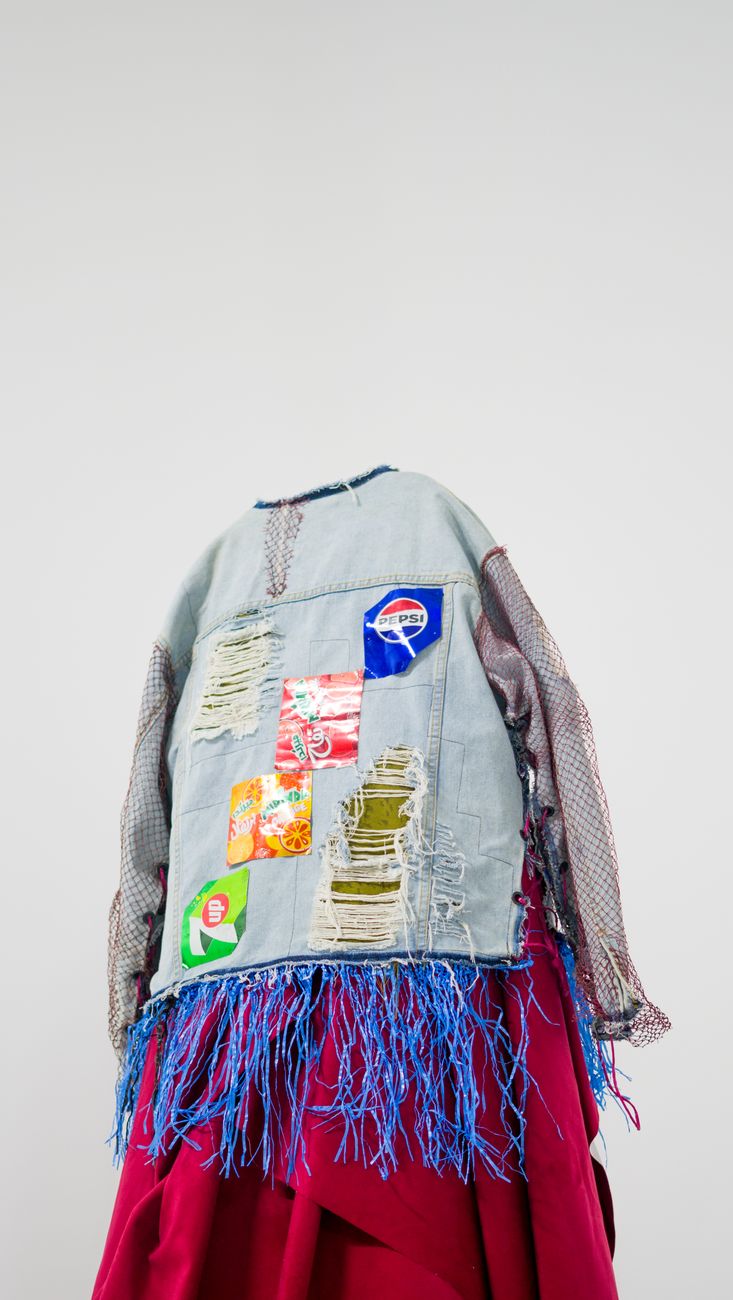
Visible mending is a way of repairing clothing, fabric, or textiles so that the repair becomes part of the design. Instead of trying to hide a hole, tear, worn patch, or stain, visible mending uses stitches, patches, thread, fabric, or embroidery to make the repair noticeable in a creative way.
It is a useful craft for beginners because it combines practical repair with decoration. You can use it to make clothes last longer, personalise items, and practise simple hand sewing without needing to make something entirely from scratch.
How Does Visible Mending Work?
Visible mending works by strengthening or covering a damaged area of fabric whilst making the repair look intentional.
For instance, you might stitch over a small hole with colourful thread, add a fabric patch to a worn knee area on jeans, or use simple embroidery stitches to decorate a repaired area. The repair still has a practical purpose, but it also elevates the item.
Some visible mending is neat and patterned, whilst some is more deliberately rustic, handmade, or imperfect. The aim is not always to make the fabric look completely brand new again, but rather to make it look wearable and interesting.
What Can You Use Visible Mending For?
Visible mending can be used on many fabric items, including:
- Jeans
- Jumpers
- Cardigans
- Shirts
- Jackets
- Socks
- Tote bags
- Tea towels
- Cushion covers
- Blankets
- Children’s clothing
- Work clothes
- Fabric accessories
It’s especially useful for clothes that are worn but still usable. A small hole, thinning fabric, or a frayed area doesn’t usually mean that an item needs to be thrown away. In fact, to do so can feel wasteful, which is a problem that visible mending solves well.
Is Visible Mending Good for Beginners?
Yes, visible mending can be a good hobby for beginners. You really don’t need perfect sewing skills to get started. In fact, the handmade look is part of the charm, provided that it looks presentable.
A beginner can start with a simple running stitch, backstitch, or basic patching. You can practise on old clothes, scrap fabric, or items that don’t need to look perfect.
The most important thing is to make sure that the repair is strong enough for the item. Decorative stitching is useful, but the fabric still needs to be supported if the area will be stretched, washed, or worn often.
What Do You Need for Visible Mending?
To start visible mending, you may need:
- A needle
- Thread or embroidery floss
- Scissors
- Fabric patches
- Pins or clips
- A thimble, if sewing thick fabric
- A fabric marker or chalk
- An embroidery hoop, for some repairs
- Scrap fabric
- Iron-on patches, if useful
You do not need all of these at the beginning. For a simple repair, a needle, thread, scissors, and a small fabric patch may be enough to get you going.
If you are mending denim, you may need a stronger needle, as the fabric is thicker.
What Stitches Are Used for Visible Mending?
Simple stitches are often enough for visible mending. Common stitches include:
- Running stitch: A simple dashed stitch that is easy for beginners.
- Backstitch: A stronger line stitch that can be useful for repairs.
- Whip stitch: Useful for attaching patches or closing edges.
- Blanket stitch: Decorative and useful for finishing patch edges.
- Cross stitch: Can be used decoratively over small areas.
- Satin stitch: Useful for filling in small shapes.
- Darning stitch: Used to rebuild worn or holed fabric.
You do not need to know lots of stitches to begin. Running stitch and basic patching can handle many simple repairs.
What Is Darning?
Darning is a repair technique where thread is woven over a hole or worn area to rebuild the fabric. It is often used for socks, jumpers, and knitted items, but it can also be used decoratively.
In visible mending, darning may be done with a contrasting thread colour so the repair becomes part of the design. For example, a blue jumper might be darned with yellow or pink thread.
Darning can look complicated, but the basic idea is simple; you create threads in one direction, then weave across them to fill in the gap.
What Is Sashiko Mending?
Sashiko is a traditional Japanese stitching technique that uses repeated running stitches to create patterns and to reinforce fabric. It is often associated with visible mending because the stitches are both decorative and practical at the same time.
Modern visible mending often takes inspiration from sashiko-style stitching, especially on items like denim, jackets, and workwear.
Beginners do not need to master traditional sashiko rules to try a simple version. You can start by using repeated straight stitches to hold a patch in place or strengthen a worn area.
What Fabric Can You Use for Patches?
Patch fabric should usually be strong enough to support the damaged area. The best choice depends on the item you are repairing.
For example:
- Denim patches can work well on jeans
- Cotton patches can work on shirts or light fabric
- Wool or knit patches may suit jumpers
- Patterned fabric can add decoration
- Old clothing scraps can be reused as patches
Try to choose a patch that suits the weight and movement of the original item. A very stiff patch on soft fabric may feel uncomfortable, while a very thin patch on jeans might wear out quite quickly.
Is Visible Mending Expensive?
Visible mending is usually inexpensive. You can often use supplies you already have, such as leftover thread, old fabric scraps, needles, and scissors.
It can, however, become more expensive if you buy specialist threads, Sashiko supplies, embroidery kits, patch packs, or sewing tools. However, you don’t need many supplies to get started.
A good beginner setup is:
- A basic sewing needle
- Strong thread or embroidery floss
- Scissors
- Scrap fabric
- One item to practise on
This should be enough to try out a simple patch or stitched repair.
Is Visible Mending Sustainable?
Visible mending can be a more sustainable way to approach clothing because it lets you hold onto items you already own, instead of throwing them out and buying new things.
It can also change how you think about clothes. Instead of seeing damage as the end of an item, visible mending treats wear as something that can be repaired, adapted, and personalised.
You don’t have to repair every single item you own, but learning a few basic repair skills can make clothes feel less disposable and allow you to hold onto more clothes over time.
Is Visible Mending the Same as Sewing?
Visible mending can include sewing, but it has a specific purpose. Sewing is a broad skill that can include making clothes, hemming, altering, quilting, embroidery, and repairs.
Visible mending focuses on repairing fabric in a way that can be seen. It often overlaps with activities such as hand sewing, embroidery, patching, darning, and textile art.
A visible mend can be practical, decorative, or both.
What Is the Easiest Visible Mending Project?
One of the easiest visible mending projects is patching a small hole in jeans or a tote bag. The fabric is sturdy, the repair does not need to be delicate, and you can use simple stitches.
Other easy beginner projects include:
- Sewing a patch over a small hole
- Adding running stitches over a worn area
- Repairing a tea towel
- Decorating a small stain with embroidery
- Reinforcing a frayed pocket
- Darning a small hole in a jumper
- Adding a fabric patch to a bag
It is best to start with an item where you are not too worried about perfection, just in case you mess up. Practising on something old or insignificant (such as a pair of socks) can make the process a lot less stressful.
Common Beginner Visible Mending Mistakes
Common beginner mistakes include:
- Using thread that is too weak
- Choosing a patch that is too small
- Not securing the edges of the damaged area
- Pulling stitches too tightly
- Using the wrong needle for thick fabric like denim
- Making the repair decorative but not strong enough
- Starting with a cherished item before practising
- Not checking how the fabric stretches or moves
A useful beginner tip is to make the patch larger than the damaged area. This gives the repair more strength and helps to stop the hole from spreading.
Who Might Enjoy Visible Mending?
Visible mending may suit you if you like practical crafts, slow stitching, sustainability, clothing repair, or personalising things that you already own.
It may also be a good hobby if you want something:
- Useful
- Affordable
- Low mess
- Suitable for small spaces
- Good for using up fabric scraps
- Creative without needing to start from scratch
- Helpful for making clothes last longer
However, visible mending may not suit you if you want every repair to be invisible. The whole point is usually to make the mend part of the item’s character.
Final Thoughts
Visible mending is a creative way to repair fabric so that the repair becomes part of the design. It can be used on clothing, bags, household textiles, and other fabric items that have holes, worn areas, stains, or fraying.
If you are new to visible mending, start with a simple patch and basic running stitch. Choose an old item first, use thread and fabric you already have, and focus on making the repair secure rather than perfect. Over time, visible mending can become both a useful repair skill and a creative hobby.