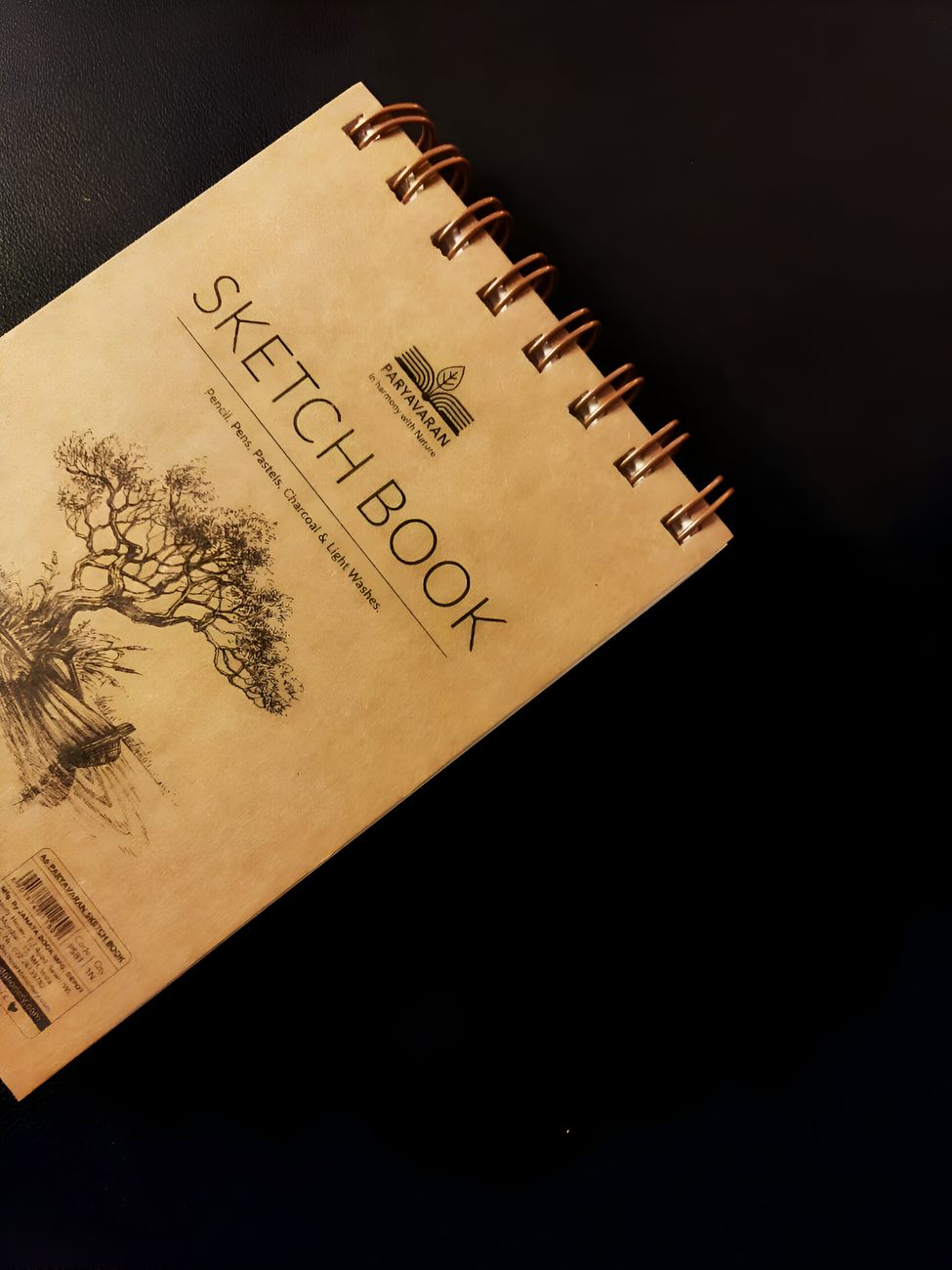
Sketching is a type of drawing where you make quick, loose, or simple drawings to capture an idea, shape, object, or scene. A sketch doesn’t have to be perfect or fully finished. It is often used as a starting point for artwork, design, practice, or simply as a creative activity on its own.
Sketching is good for beginners because you do not need many supplies. A pencil and paper are enough to start, and you can practise almost anywhere.
How Does Sketching Work?
Sketching usually begins with light lines. Instead of trying to draw every detail straight away, you start by looking at the basic shapes of the subject.
For example, if you are sketching a mug, you might begin with an oval for the top, a curved shape for the body, and a simple handle. Once the main shapes are in place, you can then add extra details, shading, and darker lines.
The aim is not always to create a perfect drawing. Sketching is often about observing, practising, and getting an idea down quickly.
Is Sketching the Same as Drawing?
Sketching and drawing are closely related, but they are not exactly the same.
Drawing can refer to any kind of finished or unfinished picture made with lines, shading, or marks. Sketching usually refers to a quicker, looser, or more exploratory type of drawing.
A sketch may be rough and unfinished. A drawing may be more detailed and complete. However, the two words often overlap, and many people use sketching as a way to practise drawing.
What Can You Sketch?
You can sketch almost anything, including:
- Everyday objects
- Flowers and plants
- Animals
- People
- Buildings
- Landscapes
- Furniture
- Food
- Clothing
- Craft ideas
- Patterns
- Characters
- Simple scenes from daily life
Beginners often start with objects around the house because they are easy to find and don’t move as you try to sketch! A mug, book, plant pot, shoe, chair, or pair of scissors can all make great sketching practice.
Is Sketching Good for Beginners?
Yes, sketching is very good for beginners. It’s one of the easiest ways to start drawing because it’s low pressure and doesn’t need expensive materials.
A sketch can be quick, messy, or unfinished, so it is less intimidating than trying to create a perfect piece of art. It also helps you practise important drawing skills, such as looking carefully, noticing shapes, and understanding light and shadow.
The more you sketch, the more confident you usually become.
What Do You Need to Start Sketching?
To start sketching, you only need:
- A pencil
- Paper
- An eraser
- A sharpener
You can also use:
- A sketchbook
- Graphite pencils in different grades
- Charcoal
- Fineliners
- Blending stumps
- Coloured pencils
- A ruler
However, you really don’t need all of these at the beginning. A normal pencil and plain paper are enough to get started.
Do You Need a Sketchbook?
You do not need a sketchbook, but it can be useful. A sketchbook keeps your drawings together in one place, which makes it easier to see your progress over time.
It can also make sketching feel more like a regular habit. You can use it for quick drawings, practice pages, ideas, notes, and experiments.
For beginners, a simple inexpensive sketchbook is usually fine. You don’t need a premium art book while you are just getting used to sketching.
What Is the Easiest Thing to Sketch?
The easiest things to sketch are usually simple everyday objects with clear shapes.
Good beginner subjects include:
- A mug
- A pencil
- A book
- A plant pot
- An apple
- A spoon
- A shoe
- A candle
- A small box
- A (simple) bottle
It’s better to start with one object than a complicated full scene. Once you are comfortable with basic shapes, you can try more detailed subjects.
What Are Basic Sketching Techniques?
Some basic sketching techniques include:
- Light construction lines: faint lines used to plan the shape before adding detail.
- Contour drawing: drawing the outline or edge of an object.
- Shading: using light and dark areas to show form.
- Hatching: using repeated lines to create shadow.
- Cross-hatching: using overlapping lines to make darker shading.
- Blending: softening pencil marks to create smoother shadows.
- Gesture sketching: quick drawing that captures movement or pose.
Beginners don’t need to learn every technique at once. Start with simple outlines and light shading, then add more techniques over time.
Is Sketching Expensive?
Sketching is usually very inexpensive. You can begin with supplies you already have at home, such as a pencil and printer paper.
It can become more expensive if you buy specialist pencils, sketchbooks, charcoal, markers, or drawing courses, but none of these are required at the beginning.
A good beginner setup is simply a pencil, eraser, sharpener, and a small sketchbook.
Is Sketching Messy?
Sketching is usually low mess, especially if you use a standard pencil. It is a good craft or hobby for small spaces because you can do it at a desk, table, or even while sitting on the sofa.
Charcoal and soft graphite can be messier because they smudge more easily, but basic pencil sketching is very manageable.
If you want a clean start, use a regular pencil and keep an eraser nearby.
Why Do People Sketch?
People sketch for different reasons. Some use sketching to practise art skills. Others use it to relax, record ideas, design projects, or notice the world around them.
Sketching can be useful for:
- Improving drawing confidence
- Planning paintings or craft projects
- Relaxing without screens
- Keeping a creative habit
- Observing everyday objects
- Developing ideas quickly
- Recording travel or nature scenes
You don’t have to become a professional artist to enjoy sketching. It can just be a quiet hobby that helps you slow down and create something.
Common Beginner Sketching Mistakes
Common beginner mistakes include:
- Pressing too hard too soon
- Trying to draw details before the basic shape
- Expecting the first sketch to look perfect
- Avoiding simple subjects
- Comparing your work too harshly to others
- Rubbing out constantly
- Rushing instead of observing
A useful beginner habit is to start lightly. Light lines are easier to adjust, and they make the sketch feel less intimidating.
Who Might Enjoy Sketching?
Sketching may suit you if you want a simple, flexible, and low-cost creative hobby. It is especially good if you like observing details, using a sketchbook, or trying a craft that doesn’t need much setup.
It may also be a good choice if you want something:
- Affordable
- Portable
- Low mess
- Relaxing
- Suitable for small spaces
- Easy to practise in short sessions
However, sketching may feel frustrating at first if you expect to be perfect straight away. It is better to treat early sketches as practice rather than as finished artwork.
Final Thoughts
Sketching is a simple and beginner-friendly form of drawing where you use lines, shapes, and shading to capture ideas, objects, or scenes. It doesn’t need to be perfect, detailed, or expensive to start.
If you are new to sketching, begin with a pencil, paper, and one simple object. Focus on the basic shapes first, then gradually add details and shading. The more you practise, the more natural sketching will start to feel.