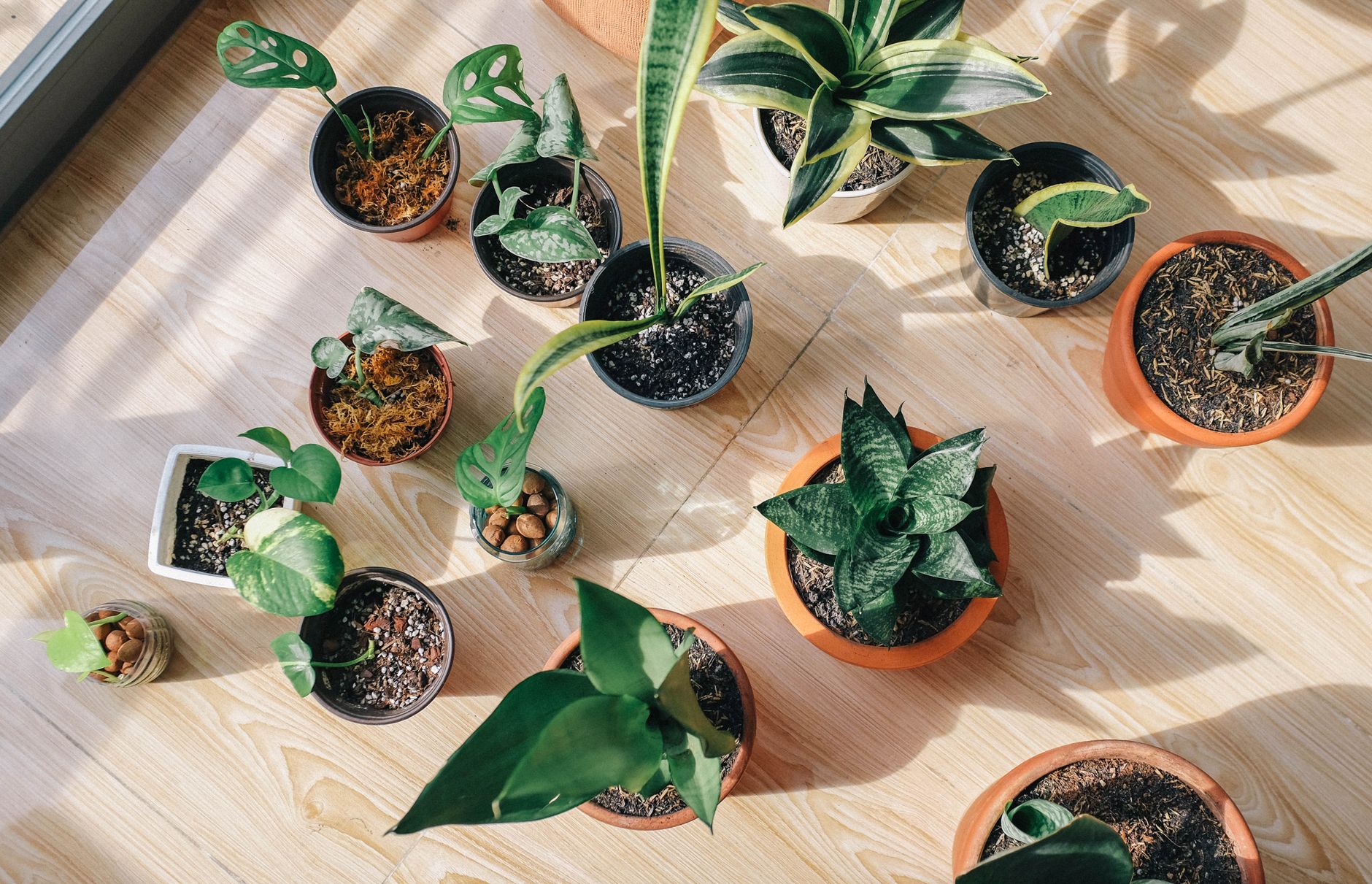
Indoor gardening is the process of growing plants inside your home, instead of outdoors in a garden, balcony, or greenhouse.
Indoor gardening can range from being as simple as keeping cress on a windowsill to involving more complex growing of houseplants, vegetables, or microgreens.
Your set up doesn’t have to be highly impressive to get started. All you need is light, water, a container, and a safe place to keep your plants, out the harm’s way.
What Counts as Indoor Gardening?
Indoor gardening can involve many different types of growing.
Common examples can include:
- Houseplants
- Herbs on a windowsill
- Microgreens
- Succulents and cacti
- Small vegetable plants
- Propagation jars
- Grow-light set ups
- Terrariums
- Indoor seed starting
Indoor gardening can be decorative, practical, or a bit of both.
Is Indoor Gardening Good for Beginners?
Yes, indoor gardening can be great for beginners, but it pays to start small and start with simpler set ups.
Beginner-friendly set ups can include:
- Herbs
- Pothos
- Spider plants
- Snake plants
- Succulents
- Microgreens
Indoor gardening allows you to get to grips with the basics of plant care. It teaches you:
- How much light plants need
- When to water them
- How drainage works
- Why soil matters
- How plants respond to their environment
Unlike other hobbies such as card making or origami, this one really requires patience! For obvious reasons, plants do not give you instant results, but it can be very satisfying to grow and attend to them over time.
What Do You Need to Start Indoor Gardening?
You only need a few basic supplies to get you going. A simple set up for indoor gardening may include:
- A single beginner-friendly plant
- A pot with drainage holes
- A tray or saucer to catch liquid and soil
- A potting mix that is suitable for your plant
- A watering can or water jug
- A bright windowsill or grow light
- Scissors or small gardening snips
For herbs and microgreens, you may also need seeds and shallow trays.
The main thing to avoid is buying too much at the beginning. You don’t need things like moisture meters, grow tents, plant food, and lots of designs of pots until you have more experience.
What Can You Grow Indoors?
What you can grow indoors depends on your light.
Good beginner options include things such as:
- Basil
- Mint
- Parsley
- Microgreens
- Lettuce Leaves
- Pothos
- Spider plants
- Snake plants
- Peace lilies
- Succulents
- Small cacti
If you don’t have much light coming into your house, house plants might be something to consider. These can still do well, even in low light conditions.
How Much Space Does Indoor Gardening Need?
You can indoor garden in a relatively small space.
You could get started with:
- A pot on a windowsill
- A small shelf
- A kitchen herb pot
- A tray of microgreens
- A hanging planter
- A few jars of propagation cuttings
Is Indoor Gardening Expensive?
It can be cheap or expensive, depending on how you start.
A lower cost set up can include a plant, a basic pot, and potting mix. Seeds and microgreens can also be quite cheap.
Costs rise if you buy:
- Decorative pots
- Organic seeds (although the face value may still remain low)
- Grow lights
- Shelving
- Specialist soil
- Plant food
- Propagation systems
- Rare houseplants
Can Indoor Gardening Save Money?
As the cost of living in many countries has become unsustainable in recent years, many people have considered growing their own food at home.
However, not everyone has the luxury of a large garden or a green house. Buying too much equipment is another common pitfall that may wipe out any net savings. You also have to weigh up whether the time it takes to garden is worth the money potentially saved.
If you do want to save money on grocery bills by trying indoor gardening, buying small herb plants may be a good place to start. In some countries, they are available from supermarkets, in the same aisle as fresh herbs. Herbs that are bought fresh in a packet can become limp and soggy very quickly if not used all at once, so keeping a plant or two of your favourite herbs is a great way to grow something simple but useful.
That said, make sure that you don’t neglect your plants. Keep them in the path of sunlight, such as on the kitchen windowsill. Ensure you water them regularly, but don’t flood them.
Common Beginner Mistakes
A very common beginner error is overwatering plants. Many indoor plants suffer because well meaning owners water them too much instead of too little. A pot with drainage holes can help excess water to escape, but you need to ensure that you use a plate or tray underneath to collect this water!
Another mistake is in only choosing a plant because it looks nice. You need to look beyond aesthetics and consider whether the room you intend to keep it in has adequate light levels for that particular plant.
Also make sure that you start slow and only buy an initial plant or two, to prevent overwhelm. If you want to quickly transform your home to a a house with a plant in every room, artificial plants may be the way to go (sorry!).
Is Indoor Gardening Messy?
If you keep things simple, indoor gardening can be a low mess hobby.
Mess usually comes from loose soil, watering spills, dead leaves, and repotting. You can reduce this by keeping supplies together and using a tray, mat, or old newspaper.
For small spaces, it can be useful to have:
- A storage box for plant supplies
- A tray for watering or repotting
- A cloth or brush for any clean up
- A self-imposed limit on how many plants you can keep
Who Might Enjoy Indoor Gardening?
Indoor gardening might suit you if you like slow, practical hobbies and want to make your home more aesthetically pleasing.
It’s a good fit if you:
- Want a calm hobby
- Like plants but don’t have access to a garden
- Want to grow herbs or microgreens
- Want a hobby that can fit into everyday life
If you want fast results and don’t like taking care of things, it may not be right for you.
Final Thoughts
Indoor gardening is a beginner friendly way to grow plants at home, even without a garden or balcony. You can get started with a single plant on a windowsill.
The best thing you can do is to start small. Choose a plant that you genuinely like but suits the light conditions you have available, and avoid overwatering. As a back up, ensure your pots have holes for drainage.