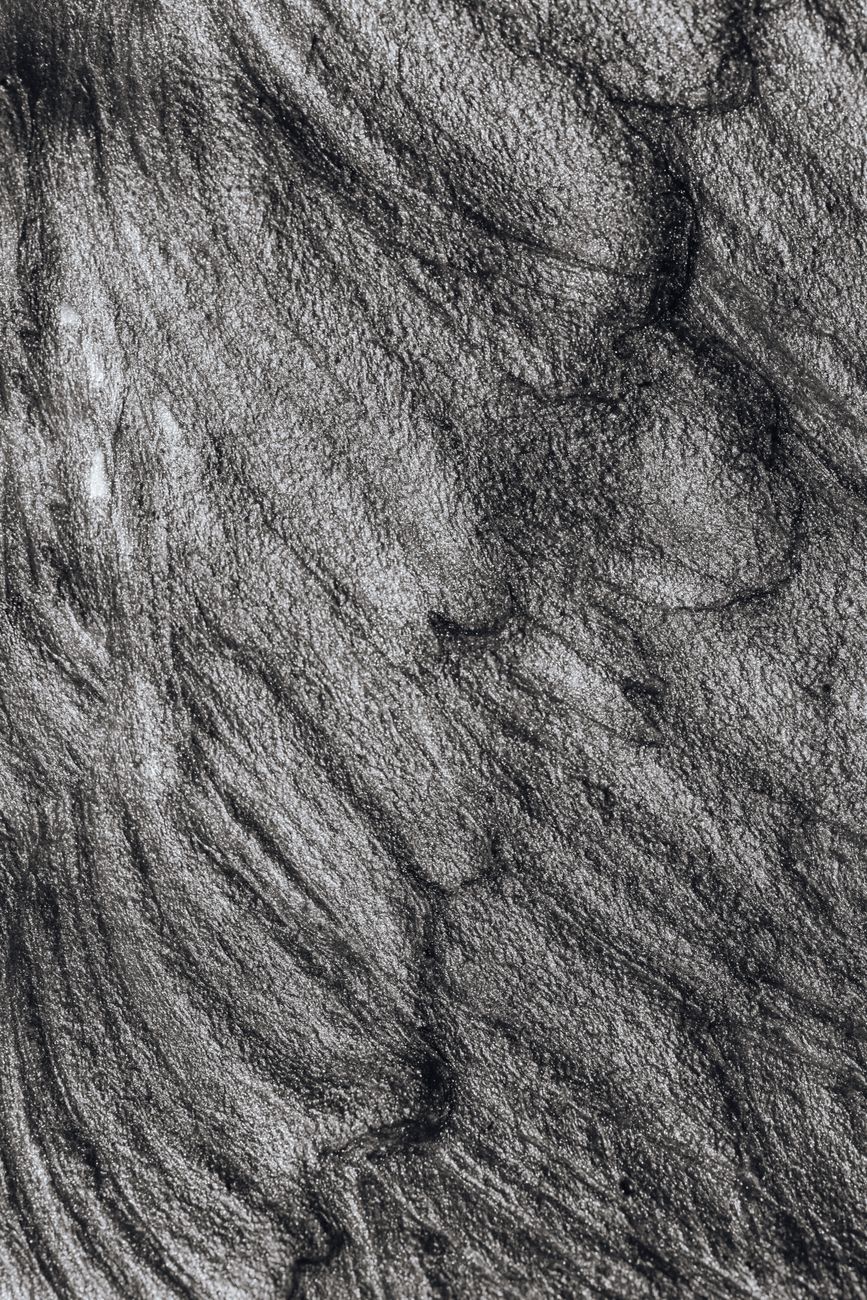
Charcoal drawing is a type of art where you use charcoal sticks, pencils, or blocks to create drawings. It is especially good for bold lines, soft shading, strong contrast, and expressive artwork.
Unlike a normal graphite pencil, charcoal can create very dark marks and dramatic shadows. It can also be blended easily, which makes it useful for portraits, figure drawing, landscapes, still life, and sketching.
How Does Charcoal Drawing Work?
Charcoal works by leaving loose, dark particles on the paper. These marks can be built up, smudged, blended, lifted away, or layered to create different effects.
You can press harder for darker marks or use a lighter touch for softer lines. You can also blend charcoal with your finger, a tissue, a blending stump, or a cloth to create smooth shading.
Because charcoal is easy to move around on the page, it’s quite a flexible medium. You can make quick expressive sketches or more detailed finished drawings.
What Is Charcoal Made From?
Artists’ charcoal is usually made by burning natural materials, often wood or vine, in a controlled way until they become carbon. This creates a drawing material that’s dark, soft, and easy to use.
Different types of charcoal behave differently. Some are soft and powdery, while others are firmer and easier to control.
What Are the Main Types of Charcoal?
There are several common types of charcoal used for drawing.
Vine charcoal is soft, light, and easy to erase. It’s made out of grapevines and is good for sketching, planning a drawing, and creating pale marks.
Willow charcoal is similar to vine charcoal and is often used for loose drawing and expressive marks.
Compressed charcoal is darker and stronger. It creates rich black marks, but it can be harder to erase.
Charcoal pencils are charcoal encased in wood, like a normal pencil. They are useful for details, outlines, and cleaner drawing.
Charcoal blocks or sticks are useful for covering larger areas and making bold marks.
Beginners often find charcoal pencils easier to control, while charcoal sticks are better for learning shading and loose sketching.
What Do You Need for Charcoal Drawing?
You don’t need much to start charcoal drawing. A basic beginner setup might include:
- Charcoal pencils or sticks
- Drawing paper
- A kneaded eraser
- A blending stump
- A tissue or cloth
- A sharpener, if using charcoal pencils
- Fixative spray (optional)
- Scrap paper to protect your work surface
A kneaded eraser is especially useful because it can lift charcoal gently from the paper. This helps create highlights and correct lighter mistakes.
What Paper Is Best for Charcoal Drawing?
Charcoal works best on paper with some texture, often called “tooth.” The texture helps grip the charcoal particles.
Very smooth paper can be harder to use because the charcoal may not stick well. Rougher drawing paper, sketch paper, pastel paper, or charcoal paper can give better results.
For beginners, a simple sketchbook or drawing pad with medium-textured paper is usually enough.
Is Charcoal Drawing Easy?
Charcoal drawing is easy to begin, but it can feel messy at first. The marks smudge easily, and it can be harder to create tiny details compared with graphite pencil.
However, charcoal is also forgiving because you can blend, soften, and lift areas away. It is a good medium for learning light, shadow, shape, and contrast.
Beginners should not worry about making perfect drawings straight away. Charcoal is excellent for practice because it encourages you to focus on the overall shape and values rather than tiny details.
What Can You Draw With Charcoal?
Charcoal can be used for many subjects, but it is especially good for drawings with strong light and shadow.
Popular charcoal drawing subjects include:
- Portraits
- Hands
- Figures
- Animals
- Trees
- Landscapes
- Still life objects
- Flowers
- Buildings
- Dramatic skies
Simple objects such as fruit, cups, candles, shells, or folded fabric can make good beginner projects because they help you practise shading.
Is Charcoal Better Than Pencil?
Charcoal is not necessarily better than pencils. It depends on the type of drawing you want to make.
Graphite pencil is good for clean lines, controlled detail, and neat sketching. Charcoal is better for deep shadows, bold marks, soft blending, and expressive artwork.
Many artists use both. Pencil can be useful for careful planning, while charcoal is useful for looser, darker, more dramatic drawings.
Does Charcoal Drawing Smudge?
Yes, charcoal smudges easily. This can be useful when you want to blend shadows, but it can also make the drawing messy if your hand rubs across the page.
To reduce smudging, you can place a spare piece of paper under your drawing hand. When the drawing is finished, some artists use fixative spray to help hold the charcoal in place.
Fixative is optional, but it can be useful if you want to protect a finished piece.
Is Charcoal Drawing Good for Beginners?
Charcoal drawing can be very good for beginners because it teaches important art skills quickly. It helps you understand light, dark, contrast, texture, and form.
It is also a good choice if you enjoy expressive, dramatic, or slightly messy art materials. You don’t need expensive supplies to start, and even a small charcoal set can give you a wide range of effects.
Final Thoughts
Charcoal drawing is a simple but powerful art technique that uses charcoal to create dark lines, soft shading, and expressive marks. It is often used for portraits, still life, landscapes, and practice sketches.
For beginners, the best way to start is with a small set of charcoal pencils or sticks, textured paper, and a kneaded eraser. Start with simple shapes, practise shading, and get used to how charcoal blends and smudges.