Affiliate Disclosure: This post contains affiliate links. As an Amazon Associate, we earn from qualifying purchases, at no extra cost to you.
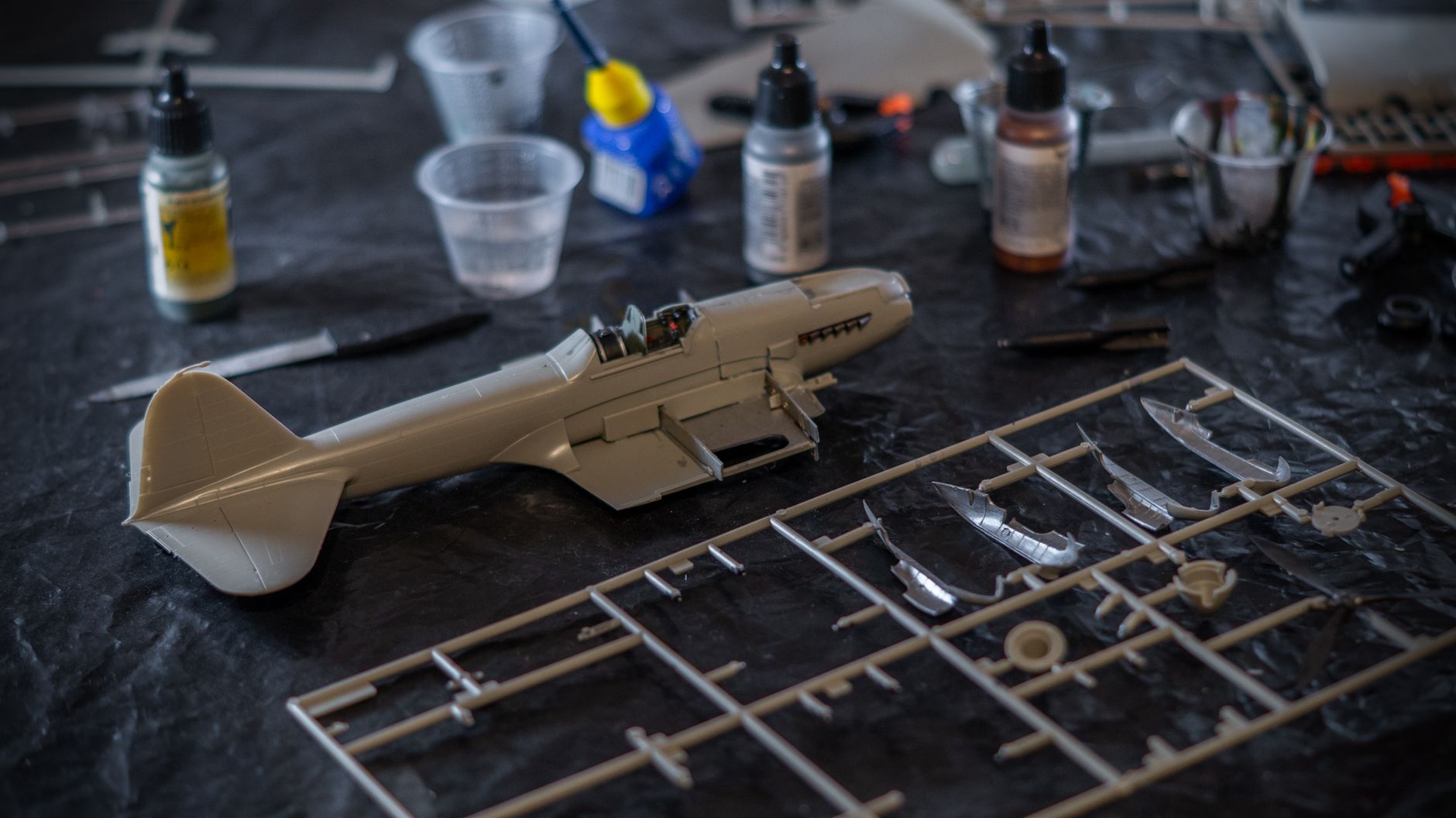
If you are a beginner, you don’t need a huge set up and lots of supplies for painting miniature figures. A simple starter setup only need include a few things; a few different brushes, acrylic paints in a few different colours, primer, water, a palette, and somewhere to work.
Whilst you may consider investing in extra tools somewhere down the line, if you are new to this hobby, you may want to avoid buying too many supplies until you know that you actually enjoy it!
Basic Miniature Painting Tools
A basic kit can include the following:
- A few brushes suitable for painting miniatures
- Acrylic miniature paints
- Primer
- A pot of water
- A palette or wet palette
- A paper towel
- Good lighting
- A hobby knife or clippers
- Glue for assembling models
- A cutting mat
- A storage box
Brushes
As you may imagine, brushes are an essential tool for painting. That said, beginners do not need a huge set with many brushes. One medium brush can do the job for larger areas and base coats, whilst a smaller brush can be good for adding details. An old or cheap brush is a good tool for dry brushing.
A very small brush may, perhaps counterintuitively, not be the best bet for adding details, as it can dry out very quickly and may not hold enough paint.
Techniques such as using glue, dry brushing, or texture work can damage bristles, so are best left to being done with old or cheap brushes.
Paints
Acrylic paint is the most popular choice for painting miniatures. This is because this type of paint is water based, dries quickly, and can be thinned out to use. Many model kits include small pots of acrylic paint for decorating your masterpiece.
As a beginner, you don’t need every single colour under the sun.
Good initial colours include:
- Black
- White
- Brown
- Red
- Blue
- Yellow
- Green
- Metallic
Acrylic paint is easier to use than thicker craft paint because it’s designed for small details. That said, it’s still a good idea to thin out the paint slightly, as several thinner coats usually apply better than one thicker one.
Primer
Primer is applied before a base coat to help the paint stick to the figure. It creates a surface that acrylic paint can grip to more easily. If you don’t use primer, there is a risk that paint can chip off, rub off, or go on unevenly. This is even more so the case for models made out of materials such as plastic, resin, or metal.
Primer and base coats are not the same thing. Whilst primer prepares the surface, a base coat is the first main colour on the structure.
Beginners can use either spray or brush-on primer. Spray primer is good for covering models quickly, but it needs to be used in a well ventilated area. Brush-on primer is slower to apply, but easier for use indoors.
A neutral colour such as black, white, grey, or brown is usually best for beginners. Black makes any missed spots look like shadow, whilst white or light colours can add strength to bright colours. Grey is a good in-between option.
Palette or Wet Palette
A palette is where you mix your paint. Beginners can start off with a tile, basic plastic palette, or a clean plate. The important thing is to make sure that you don’t apply your paint too thick onto your model.
A wet palette is designed to keep acrylic paint wet for longer. It works by having a wet pad or sponge under a piece of paper. This slows down the drying process, so you have longer to mix and use your paint. Acrylic paint dries very quickly, so a wet palette may be a good investment, although it is not essential for beginners.
Water Pot and Paper Towel
It’s important to rinse your brushes between colours and to wipe of excess paint from the brushes. For this, a pot of water and paper towels are useful things to have on hand.
Light and Workspace
Having good lighting and a suitable space or corner to work makes painting your figures a whole lot easier. You may want to consider having:
- A desk lamp
- Natural light
- Access to desk space or small tray
- Protecting work surfaces with a mat
Assembly Tools
If you need to actually build the miniature first before you paint it, you may need:
- Hobby clippers
- A hobby knife
- A sanding stick or small file
- Plastic glue
- Super glue
- A cutting mat
Useful Extras
Optional tools that can be left until later to buy include:
- Paint handle
- Magnifying lamp
- Brush soap
- Basing materials
- A storage case
- Texture paste
- Static grass
- Varnish
What Can Beginners Skip At First?
Beginners likely do not need:
- Every colour of paint
- Expensive brushes
- Airbrush equipment
- Large terrain kits
- Lots of basing materials
- Display cases
A Simple Beginner Tool Kit
A miniature painting kit for a complete novice could include:
- 2 or 3 brushes
- A small set of acrylic paints
- Primer
- A palette
- A water pot
- Paper towels
- A desk lamp
- A cutting mat
- Glue and clippers if required
- A small storage box
Common Beginner Mistakes
The most common mistakes that beginners make include:
- Buying too many tools too early
- Using paint that is too thick, without watering it down
- Using the same brush for bases and dry brushing
- Skipping the primer
- Painting in poor light
- Not cleaning off brushes properly after use
- Trying advanced techniques too early
Final Thoughts
Miniature painting doesn’t need a big setup straight away. It’s best to start with the basics only and paint a few models to see if you enjoy it. You can then add further tools if they actually help you.